
Kersha sauce is one of the delicious dishes that reflects the art of Eastern cuisine with its rich and balanced taste. This sauce is prepared using simple ingredients but full of wonderful flavors that enhance the taste of the kersha and give it a distinctive texture. During the preparation steps, we make sure to wash the kersha well using a mixture of salt, vinegar, and lemon to remove any unwanted taste, then we add spices and aromatic herbs to blend with the ingredients. The kersha sauce contains many vitamins and minerals that benefit the body, such as vitamins A and C from tomatoes and garlic, in addition to the benefits of ginger and cumin that enhance digestion and improve immune system health. This sauce is not only delicious but also beneficial for the body's health.
To prepare kersha sauce, the following recipe outlines the essential steps to ensure a rich flavor and wonderful taste for the dish.
- Prepare the Kersha:
- Wash the kersha well with a mixture of salt, vinegar, and lemon. This step helps remove any bitter taste.
- Let the kersha soak in this mixture for an hour, then wash it again thoroughly.
- Prepare the Kersha Sauce:
- In a large pot, add the prepared kersha with chopped onion, mashed garlic clove, grated ginger, half the amount of cumin, bay leaves, and cardamom.
- Cut the kersha according to your preferred size and place it in a colander.
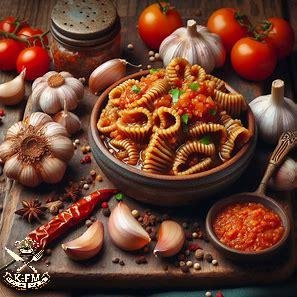
- Roasting the Spices:
- Roast the mashed garlic in oil until it turns golden.
- Adding the Other Ingredients:
- Add the diced tomatoes to the roasted garlic oil and let them boil together for 8 minutes until the tomatoes cook.
- Adding the Kersha and Final Spices:
- Add the drained kersha to the mixture and add the remaining cumin.
- Let the sauce simmer until the flavors meld together and the kersha is fully cooked. You can adjust the spices to taste.
By following these steps, you will get a delicious kersha sauce with a well-balanced flavor that complements most Eastern dishes and meals that require a unique taste and rich ingredients.
Ingredient Substitutes:
If fresh cumin or ginger isn’t available:
You can use ground ginger, but only half the amount.If cumin is missing, curry powder or turmeric will give a similar flavor.
Garlic powder can work, but fresh garlic is always better.
Tips for a Successful Recipe:
To remove any unwanted odor:
While boiling the tripe, add bay leaves, lemon peel, a celery stalk, and a tablespoon of white vinegar.Avoid over-frying the garlic:
Be careful not to over-brown the garlic, as it can turn bitter. As soon as it turns golden, add the remaining ingredients.For a richer flavor:
You can add chili peppers or ground coriander, depending on your preference.
Ways to Serve Tripe Sauce:
Alongside plain white rice or rice with vermicelli, making it a filling and complete meal.
With warm baladi bread for dipping into the sauce.
With fattah (a mix of bread, vinegar, and garlic), one of the delicious traditional ways in some Egyptian homes.
Or even with boiled pasta if you like to switch things up.
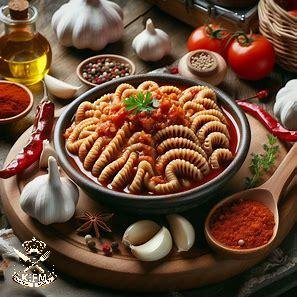
Note: This recipe is suitable for those who enjoy experimenting with new foods and delight in the rich and complex flavors of spices. It is not suitable for those who prefer milder flavors or those who are allergic to any of the ingredients used in the recipe, such as kersha or Eastern spices.
Health Benefits of the Ingredients:
- Kersha: Rich in proteins and vitamins like Vitamin B12 and zinc, which promote skin and hair health and boost immunity.
- Tomatoes: An excellent source of Vitamin C, which strengthens the immune system and helps combat free radicals that cause premature aging.
- Garlic: Contains sulfur compounds like allicin that have antibacterial and antiviral properties, as well as improving heart health and regulating blood pressure.
- Ginger: Has anti-inflammatory properties, aids digestion, strengthens immunity, and alleviates nausea.
- Cumin: Helps improve digestion, reduce bloating, and contains antioxidants that promote liver health and help detoxify the body.
- Lemon and Vinegar: Help cleanse the body of toxins and stimulate effective digestion while enhancing the absorption of nutrients from food.
Frequently Asked Questions:
What is tripe and where can you buy it?
Tripe is a part of a calf’s or sheep’s stomach. It’s usually sold at butcher shops or local meat markets.
How do I know if the tripe is properly cleaned?
It should be bright white in color, odorless, and free of any residue. Soaking it in vinegar, lemon, salt, bay leaves, and a celery stalk helps a lot.
Can I add other ingredients?
Absolutely:
Chopped chili pepper if you like it spicy.
Fresh coriander on top adds excellent flavor.
Is it suitable for children?
No — it’s better for children over 6 years old because it’s difficult to digest and might cause bloating.
Are there any health risks?
Eating too much can raise cholesterol levels.
Can I make it without tomatoes?
Yes — you can prepare it with stock, onions, and spices only. But tomatoes give it a richer texture and distinctive flavor.
Is there a vegetarian alternative?
Not exactly, but you can make the same sauce and replace the tripe with mushrooms or fried eggplant.
What’s the ideal cooking time?
Boiling the tripe: 60 to 90 minutes depending on the size of the pieces.
Cooking the sauce: 15–20 minutes.
Are there similar recipes?
In Moroccan cuisine: tripe with chickpeas and tomatoes.
In Levantine cuisine: tripe Maqluba (upside-down rice with tripe).
Is tripe sauce healthy or suitable for specific diets?
Tripe is an animal protein with relatively low fat.
It suits low-carb diets if you reduce the amount of tomatoes and oil.
However, it’s not suitable for low-cholesterol diets due to its high cholesterol content, so those with cholesterol issues should avoid consuming it in large quantities.
Can tripe sauce be stored?
Yes — it can be kept in an airtight container in the fridge for up to 3 days.
In the freezer, it lasts for up to a month. It’s better to store the tripe and sauce separately if possible for easier reheating.
Nutritional Values and Calories:
- Kersha (100 grams):
- Calories: 100-150 kcal (depending on preparation).
- Protein: 20-25 grams.
- Fat: 3-5 grams.
- Carbohydrates: 0-2 grams.
- Rich in zinc and Vitamin B12.
- Tomatoes (100 grams):
- Calories: 18 kcal.
- Protein: 0.9 grams.
- Fat: 0.2 grams.
- Carbohydrates: 3.9 grams.
- Contains Vitamin C and A, as well as antioxidants.
- Garlic (1 medium clove):
- Calories: 4 kcal.
- Protein: 0.2 grams.
- Fat: 0.02 grams.
- Carbohydrates: 1 gram.
- Contains allicin, which has antibacterial properties.
- Ginger (100 grams):
- Calories: 80 kcal.
- Protein: 1.8 grams.
- Fat: 0.8 grams.
- Carbohydrates: 18 grams.
- Contains anti-inflammatory compounds and beneficial amino acids.
- Cumin (1 teaspoon):
- Calories: 8 kcal.
- Protein: 0.4 grams.
- Fat: 0.5 grams.
- Carbohydrates: 1.1 grams.
- Contains antioxidants and compounds that improve digestion.
- Lemon (100 grams):
- Calories: 29 kcal.
- Protein: 1 gram.
- Fat: 0.3 grams.
- Carbohydrates: 9 grams.
- Contains Vitamin C and antioxidants.
- Vinegar (1 tablespoon):
- Calories: 3 kcal.
- Protein: 0 grams.
- Fat: 0 grams.
- Carbohydrates: 0.1 grams.
- Helps improve digestion.
Using these ingredients, you can prepare a delicious and nutritionally balanced sauce containing many beneficial elements such as proteins, vitamins, and minerals.







&media=https://kinglyflavorsmasters.com/storage/ashh-makolat-aayd-aladh/sls-alkrsh.jpg)