Barley is one of the whole grains that contains numerous health benefits, contributing to overall body health. It is a rich source of dietary fiber, which helps improve digestion and regulate blood sugar levels. Barley also contains a range of essential vitamins and minerals, such as vitamin B1, iron, and magnesium. It promotes heart health by reducing bad cholesterol levels. However, barley may cause harm to individuals with gluten sensitivity or celiac disease, as it can lead to digestive issues. Additionally, barley is a versatile grain with high nutritional value and diverse culinary uses. Learn effective ways to maintain its freshness and quality over time.
Benefits of Barley
Barley Fiber and Digestion:
- Insoluble Fiber: The abundant insoluble fiber in barley increases stool bulk and facilitates bowel movements, reducing constipation and enhancing digestive health.
- Feeding Beneficial Bacteria: These fibers serve as food for beneficial gut bacteria, promoting their growth and multiplication, thereby boosting immune health and reducing inflammation.
Vitamins, Minerals, and Immune Support:
- B Vitamins: Barley contains a group of B vitamins that play a vital role in energy production and converting food into fuel for the body, as well as enhancing nervous system functions.
- Minerals: Barley is a good source of essential minerals such as magnesium, manganese, and phosphorus, which play crucial roles in building bones and teeth, maintaining fluid balance in the body, and supporting nerve and muscle functions.
Barley and Chronic Diseases:
- Heart Diseases: Several studies have shown that regular consumption of barley helps lower bad cholesterol levels in the blood and improve blood pressure, reducing the risk of heart diseases.
- Type 2 Diabetes: The fiber in barley helps regulate blood sugar levels, making it a suitable food for diabetics.
- Cancer: Some studies suggest that the antioxidant compounds in barley may help prevent certain types of cancer, especially colon cancer.
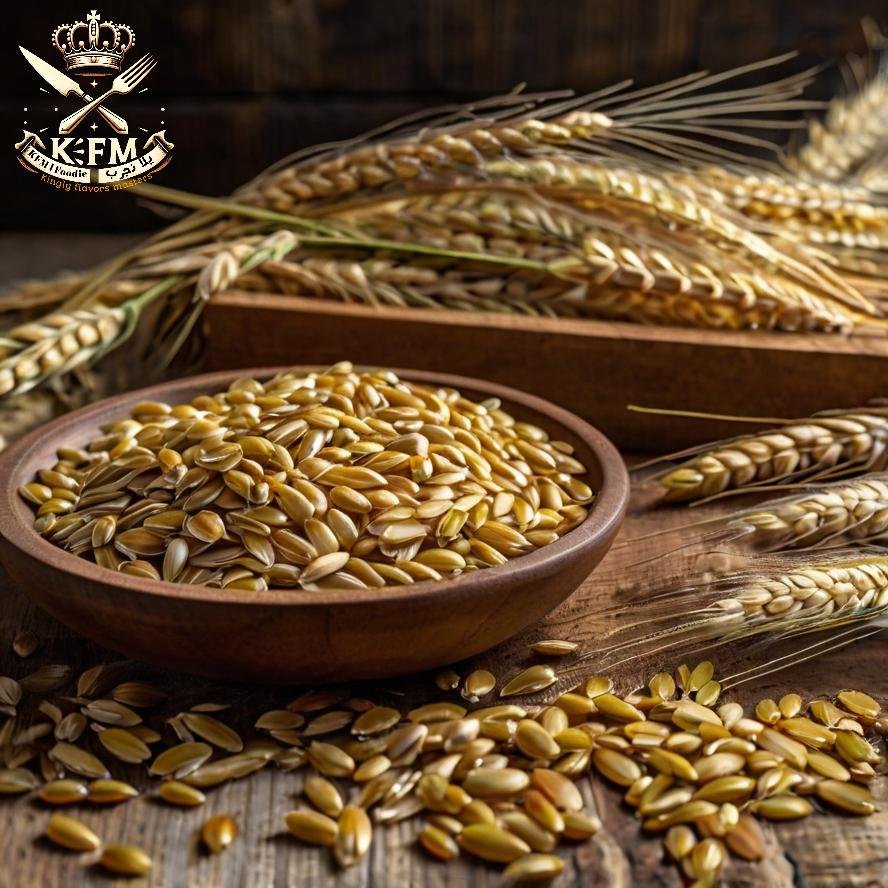
Understanding Barley Storage
Proper storage is crucial to maintaining the freshness and nutritional value of barley. Ideal conditions include cool, dry environments to prevent moisture and minimize pest infestations.
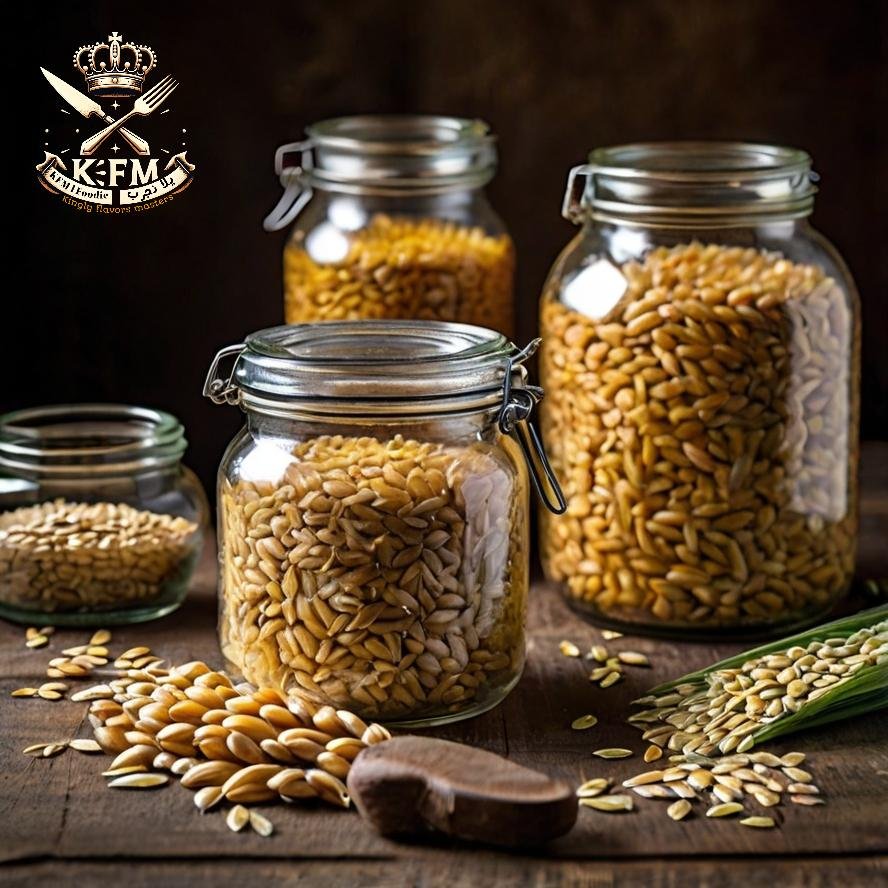
Dry Storage Methods
- Airtight Containers: Store barley in airtight containers to protect it from exposure to moisture and air.
- Cool, Dark Places: Keep barley away from direct sunlight and heat sources to maintain its quality.
- Labeling and Rotation: Label containers with storage dates and rotate older barley for use to ensure freshness.
Freezing Barley
Freezing significantly extends barley’s shelf life. Follow these steps:
- Cooling: Ensure cooked barley is completely cooled before freezing.
- Portioning: Divide barley into portions in freezer-safe containers or bags for convenient use.
- Thawing: Thaw barley in the refrigerator overnight for the best results.
Vacuum Sealing and Storage
Vacuum sealing removes air from packaging, effectively preserving barley:
- Equipment: Use a vacuum sealer and suitable bags designed for grains.
- Sealing Process: Seal barley in portions suitable for individual or family use.
- Storage: Store vacuum-sealed barley in a cool, dry, and environmentally controlled cabinet or freezer.
Barley in Oil or Vinegar
Storing barley in oil or vinegar enhances flavor and extends shelf life:
- Marination: Mix cooked barley with herbs, garlic, and olive oil or vinegar.
- Refrigeration: Store marinated barley in the refrigerator for up to a week.
- Usage: Use it as an ingredient in salads or a side dish.
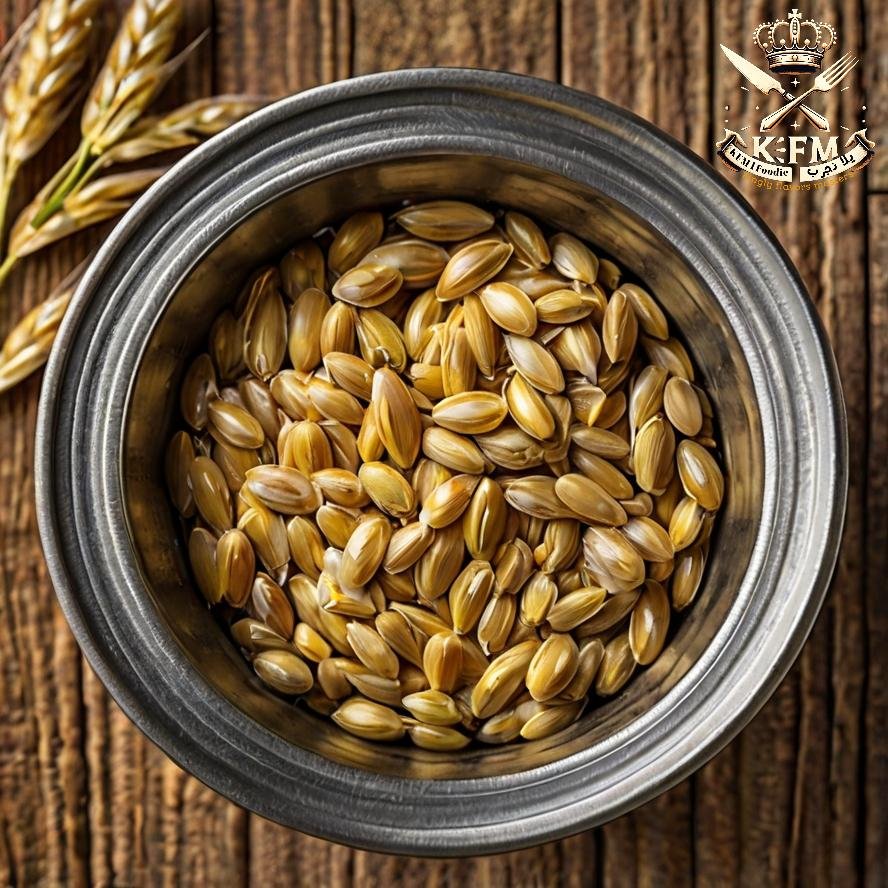
Long-Term Storage Tips
- Regular Inspection: Periodically check stored barley for signs of moisture, pests, or stale flavor.
- Rotation: Use older barley first to maintain freshness in storage.
- Quality Check: Avoid using barley that shows signs of mold or has unacceptable odors.
Conclusion
Proper preservation of barley ensures its continued role as a nutritious and versatile ingredient in your kitchen. Whether stored dry, frozen, or marinated in oil or vinegar, these methods maintain barley’s quality for use in a variety of healthy dishes. Adopting these techniques helps maximize the health benefits and flavors of barley throughout the year.