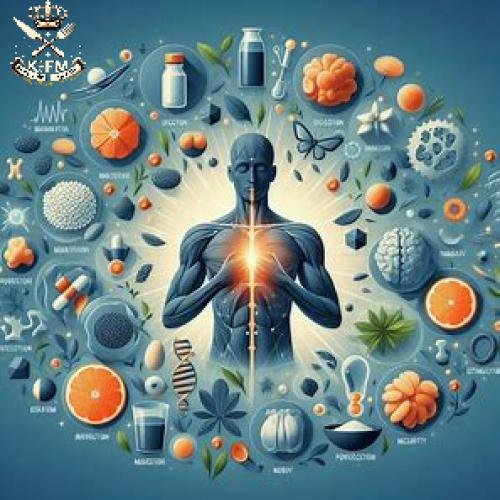
This essential mineral plays a crucial role in many vital processes in the body. It is involved in more than 300 chemical reactions, making it vital for good health. Magnesium integrates with vitamins and antioxidants to maintain our health. Alongside vitamins that act as biological catalysts and antioxidants that protect our cells, magnesium contributes to many vital processes in the body, such as bone health, heart health, and blood sugar regulation, making it indispensable for overall well-being.
Magnesium:
- Basic Information:
Magnesium is a metallic mineral element, classified among common minerals. It ranks as the eighth most abundant element in nature, comprising about 3% of the Earth's crust. Its chemical symbol is (Mg), and its atomic number is 12. - Functions in the Human Body:
- Activates enzymes that play an important role in digestion and maintaining the health of the digestive system.
- Regulates cell functions, maintains their integrity, and coordinates between them.
- Protects the body from inflammation and combats signs of premature aging and weakness.
- Essential for metabolic processes, helping convert food into energy and providing the body with vitality, making it important for students' diets.
- Contributes to building strong and healthy bones by working with calcium and vitamin D to improve bone density and reduce the risk of osteoporosis.
- Helps regulate heart rate and blood pressure, reducing the risk of cardiovascular diseases such as heart attacks and strokes.
- Plays a key role in regulating blood sugar levels, making it beneficial for people with diabetes or those at risk of developing it.
- Necessary for proper muscle and nerve function, aiding in the transmission of nerve signals and improving muscle performance, thereby reducing muscle cramps and spasms.
- Enhances mood and reduces anxiety and depression, while also supporting cognitive brain functions such as memory and focus.
- Promotes relaxation and improves sleep quality, contributing to a sense of refreshment and vitality the following day.

- Natural Sources:
Magnesium is found in many natural foods, such as:- Whole grains, including wheat, barley, and oats.
- Various legumes and leafy green vegetables.
- Fresh fruits such as prickly pear, figs, berries, and grapes, as well as dried fruits like dates and apricots, and all types of nuts, especially walnuts, almonds, and hazelnuts.
- Fatty fish: such as salmon and mackerel.
- Daily Body Requirements:
The daily magnesium requirement is estimated to range between 300-500 mg, depending on age group and health condition.

- Symptoms of Magnesium Deficiency:
Symptoms of magnesium deficiency may appear in individuals with higher needs for this element, such as the elderly, people with kidney failure, diabetes, as well as those suffering from chronic diarrhea and children in the growth phase.
Magnesium’s Effect on Chronic Diseases:
Studies indicate that magnesium can help reduce the risk of certain diseases, such as:
Cancer: Magnesium may have a protective effect against some types of cancer, such as colon cancer. Some studies suggest that magnesium can limit the proliferation of cancer cells and reduce chronic inflammation, which is one of the factors associated with cancer development.
Migraine: Some research has shown that magnesium can be effective in reducing migraine attacks. Magnesium helps regulate neural interactions in the brain, reducing the occurrence of migraines in individuals with magnesium deficiency.
Muscle and Bone Problems (such as arthritis): Magnesium contributes to bone and joint health, as it aids calcium absorption and improves bone density. It also helps reduce joint inflammation and alleviate pain associated with it.
Interactions with Other Medications:
Magnesium can interact with certain medications, affecting their absorption or impact on the body. Here are some interactions that patients should be aware of:
Blood Pressure Medications: Magnesium may enhance the effect of blood pressure-lowering medications, such as beta-blockers and diuretics. Therefore, patients taking blood pressure medications should consult their doctor before taking magnesium supplements.
Antacids: Magnesium can affect the absorption of some antacid medications, such as those containing calcium or aluminum. Taking magnesium with these medications may reduce the effectiveness of the treatment.
How to Know If You Have a Magnesium Deficiency:
Muscle Cramps: Magnesium deficiency can cause muscle cramps and leg pain.
Poor Concentration and Memory: Magnesium deficiency may affect brain function, leading to difficulty concentrating and memory loss.
General Fatigue: If you feel constant tiredness or sluggishness, it could be due to magnesium deficiency.
To diagnose magnesium deficiency, a simple blood test can be done to check its levels in the body. Consult a doctor if you suspect magnesium deficiency.
Types of Magnesium Supplements:
Magnesium Sulfate: This type is commonly used to treat severe magnesium deficiency. It is usually administered by injection or orally under medical supervision.
Magnesium Citrate: This type of supplement is considered easier for the body to absorb compared to some other forms. It can be used as an alternative in case of digestive issues.
Frequently Asked Questions:
- What is the recommended daily amount of magnesium?
The recommended daily amount of magnesium varies based on age and gender. In general, it is recommended to have 400-420 mg per day for adult men, and 310-320 mg for adult women. During pregnancy or breastfeeding, women may require a higher dose. It is important to consult a doctor to determine the appropriate amount based on your health condition. - Can magnesium help reduce stress and anxiety?
Yes, magnesium can help reduce stress and anxiety. Several studies have shown that magnesium has a calming effect on the central nervous system, which helps reduce symptoms of anxiety and depression. It is important to get enough magnesium to strengthen brain functions and improve mood. - Can magnesium deficiency affect athletic performance?
Yes, magnesium deficiency can negatively impact athletic performance. Magnesium plays a vital role in muscle function and energy. When deficient, athletes may experience muscle cramps or decreased performance. It is important for athletes to ensure they get sufficient magnesium to enhance their endurance. - How can you know if you have a magnesium deficiency?
Magnesium deficiency symptoms can be observed through physical signs such as muscle cramps, fatigue, poor concentration, and difficulty sleeping well. The deficiency can be confirmed through a simple blood test that measures magnesium levels in the body. - Is magnesium safe for children?
Yes, magnesium is safe for children when taken in the recommended amounts. The recommended dose varies based on the child's age, with 80 mg per day for children aged 1-3 years and 130 mg per day for children aged 4-8 years. It is advisable to consult a doctor before giving supplements to children.
In short, magnesium is not just a mineral but an essential part of our daily diet, contributing to our health and daily activity.