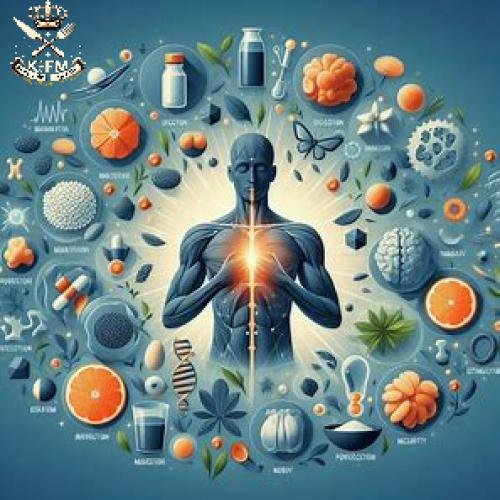
Nutrition plays a fundamental role in the health of the body, and one of the aspects influenced by diet is gallstones. These are solid formations that occur inside the gallbladder due to the accumulation of cholesterol or bile salts. The connection between nutrition and gallstones is evident in how certain foods can either increase the risk of developing them or help prevent their formation. Consuming saturated fats and calorie-dense meals is among the leading causes associated with gallstone formation, while adhering to a balanced diet rich in fiber, vegetables, and fruits promotes gallbladder health and reduces the risk of occurrence. This article explores the relationship between nutrition and gallstones, as well as the most important tips for avoiding them through healthy eating habits.
🔸️ Gallstones:
Gallstones form in the gallbladder and can range in size from a grain of sand to the size of an egg. These stones can cause various symptoms, including biliary colic, severe pain in the right side of the abdomen and right shoulder, and sometimes vomiting and nausea.

🔸️ The Relationship Between Gallstones and Nutrition:
The treatment of gallstones relies on a combination of medication and proper nutrition. Food plays a vital role in recovery and treatment, as recent research has shown that using medication alone is insufficient without an appropriate diet.
Causes that may lead to the formation of gallstones:
- Obesity: People who are overweight or obese are more prone to developing gallstones due to increased cholesterol in the gallbladder.
- Genetic factors: In some cases, genetics plays a significant role. If you have a family history of gallstones, your likelihood of developing them increases.
- Medication use: Some medications such as birth control pills and cholesterol-lowering drugs can alter the balance of bile substances, increasing the likelihood of gallstone formation.
- Age and gender: Women are more likely to develop gallstones than men, especially during reproductive years or pregnancy. Additionally, people over the age of fifty may be more susceptible to this condition.
- Unhealthy diet: Consuming foods high in saturated fats and cholesterol, such as fatty meats and fried foods, may increase the risk of gallstones.
Symptoms indicating gallstones:
- Sudden abdominal pain: Typically occurs in the upper right part of the abdomen and may radiate to the right shoulder.
- Nausea and vomiting: Nausea and vomiting may accompany the pain, especially after a fatty meal.
- Jaundice (yellowing of the skin and eyes): If the stone blocks the bile flow, it may lead to yellowing of the skin and eyes.
- Indigestion: The person may experience frequent indigestion, particularly after consuming fatty foods.
Conditions for Treating Gallstones and Achieving Recovery:
To recover from gallstones, three key principles must be followed:
- Avoid fatty foods such as fatty meats, full-fat dairy, butter, eggs, fried foods, sausages, and liver.
- Consume healthy foods such as whole grains, vegetables, fresh fruits, lean white meats, and non-fatty fish.
- Adhere to general health guidelines, such as eating light meals, avoiding alcoholic and stimulant beverages, and engaging in moderate exercise without overexertion.
Medical Treatment for Gallstones:
- Medications: Some medications may be used to dissolve gallstones, particularly small cholesterol stones. However, this option is only effective in specific cases.
- Laser treatment: In some cases, laser treatment is used to remove gallstones through the bile ducts, but this method is not commonly used.
- Surgery: The most common treatment for gallstones is the surgical removal of the gallbladder, a procedure known as Cholecystectomy. The surgery can be open or laparoscopic, and it is recommended if the stones cause chronic pain or complications.
Impact on Different Groups:
- Women: Women, especially those of reproductive age and during pregnancy, are more prone to developing gallstones due to hormonal changes in the body.
- Older adults: As people age, the likelihood of developing gallstones increases, especially if the individual suffers from chronic conditions like obesity or diabetes.
Note: Gallstones can be prevented by maintaining a healthy weight, exercising regularly, drinking adequate amounts of water, and avoiding foods rich in fats.

With this, we have provided a comprehensive overview of gallstones and their relationship with nutrition. We ask Allah to grant us and you wellness and safety.