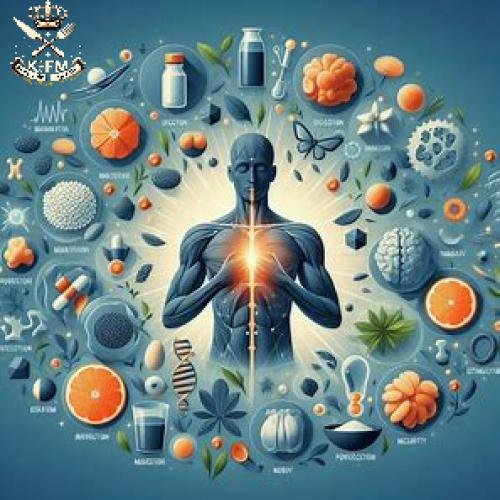
Oats are rich in fiber, vitamins, and minerals such as B vitamins and magnesium, which help regulate blood pressure, as well as folic acid, which is important for heart and nerve health. Oats also contain a good amount of zinc, which supports the immune system, and manganese, which helps in energy production. Additionally, oats are rich in antioxidants like avenanthramides, which play an important role in protecting the body from chronic diseases. They have anti-inflammatory properties and may help reduce the risk of heart disease and cancer. To enjoy their health benefits and nutritional value, we will present the best methods for storing oats.
The Importance of Oats in the Diet
Before we dive into how to store oats, let's take a quick look at its health benefits. Oats are rich in dietary fiber, which helps enhance digestion and promotes a feeling of fullness for a longer time. They also contain several vitamins, such as B vitamins, and minerals like iron and magnesium.
How to Choose the Right Oats
To get the maximum benefit from oats, it is recommended to choose organic oats that have not been chemically processed, as they are purer and of higher quality.
Ways to Store Oats
-
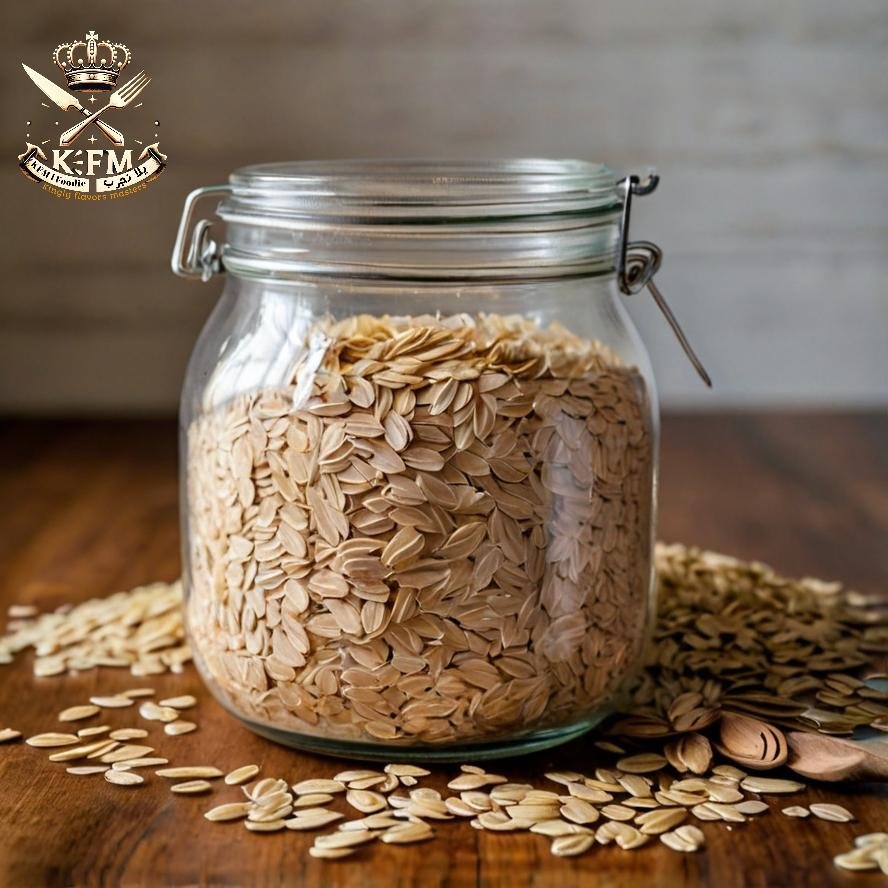
Storing in Airtight Containers: It is best to store oats in sturdy, airtight glass or plastic containers to prevent air from entering, which can lead to spoilage.
-
Storing in a Cool, Dry Place: Oats should be kept in a cool, dry place, away from direct sunlight and moisture, to maintain their taste and nutritional quality.
Benefits of Oats:
Vitamins and Minerals:
-
B Vitamins: Help convert food into energy and support nervous system health.
-
Magnesium: Helps regulate blood pressure and contributes to muscle and nerve function.
-
Zinc: Supports the immune system and aids in wound healing.
-
Manganese: Contributes to energy production and supports bone health.
Antioxidants:
-
Avenanthramides: A unique type of antioxidant found mainly in oats, helps lower blood pressure and reduce inflammation.
-
Ferulic Acid and Phytic Acid: Other antioxidants that help protect cells from damage.
General Health Benefits:
-
Heart Health: Oats help lower levels of bad cholesterol and reduce the risk of heart disease.
-
Blood Sugar Regulation: The fiber in oats helps regulate blood sugar levels, making it beneficial for people with diabetes.
-
Digestive Health: The soluble fiber in oats improves digestion and prevents constipation.
-
Feeling Full: Oats provide a feeling of fullness for longer periods, helping with weight control.
-
Skin Health: Some studies suggest that the antioxidants in oats may help improve skin health.
-
Boosting Immunity: The vitamins, minerals, and antioxidants in oats support the immune system and strengthen its ability to fight diseases.
How to Use Well-Stored Oats:
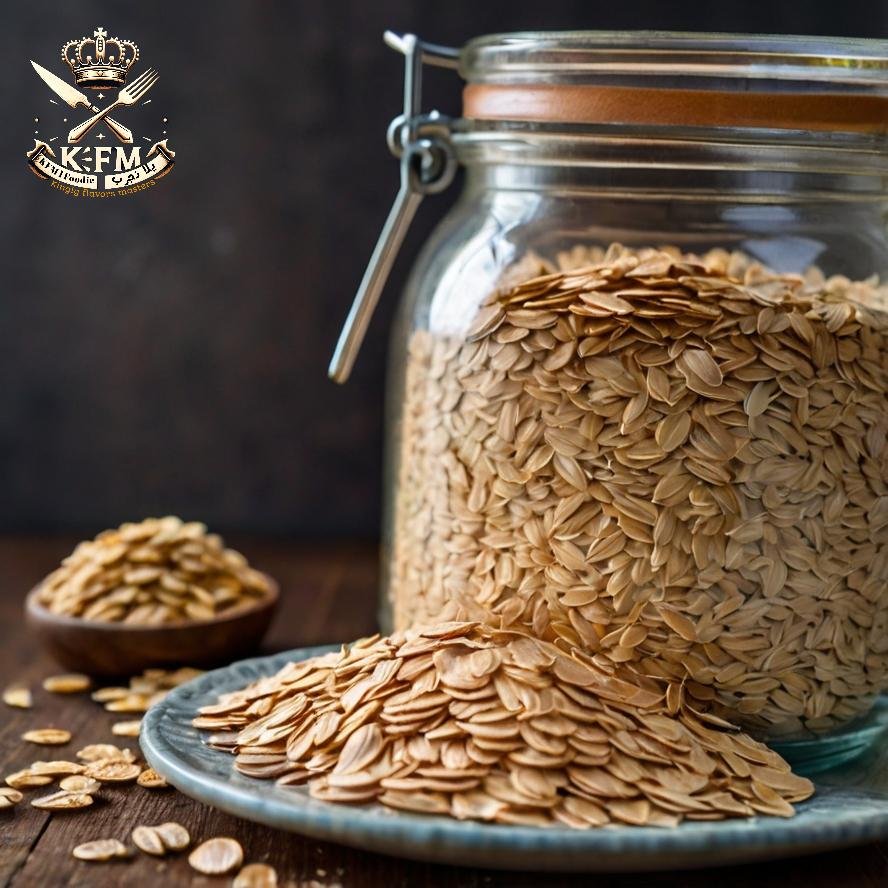
- Before using oats, it is recommended to wash them thoroughly to remove dirt and surface impurities.
- Oats can be cooked with water or milk to prepare a healthy and filling breakfast.
- Roasted oats can be added to various recipes such as cookies and bread to enhance flavor and nutritional value.
Conclusion: Oats are not only a delicious and nutritious food, but proper storage also preserves their nutritional quality and distinct taste. By following the methods mentioned above, you can enjoy fresh and beneficial oats for long periods without worrying about their quality.
With these tips, you can enjoy oats as a staple in your healthy diet without the concern of spoilage.