Oysters are a type of seafood rich in health benefits and are considered an excellent source of protein, vitamins, and essential minerals for the body’s health. Oysters contain vitamins such as Vitamin B12 and Vitamin C, as well as minerals like zinc and iron, which contribute to boosting immunity, improving skin health, and supporting the nervous system. To maintain its freshness and nutritional benefits, there are some practical tips for storing it properly. In this article, we present the best ways to keep oysters fresh, with a detailed step-by-step explanation and images to help you enjoy the taste of fresh oysters while preserving their nutritional value.
Detailed Steps:
- Choosing Fresh Oysters:
- Buy oysters from reliable sources and ensure that the shell is tightly closed and appears lively.
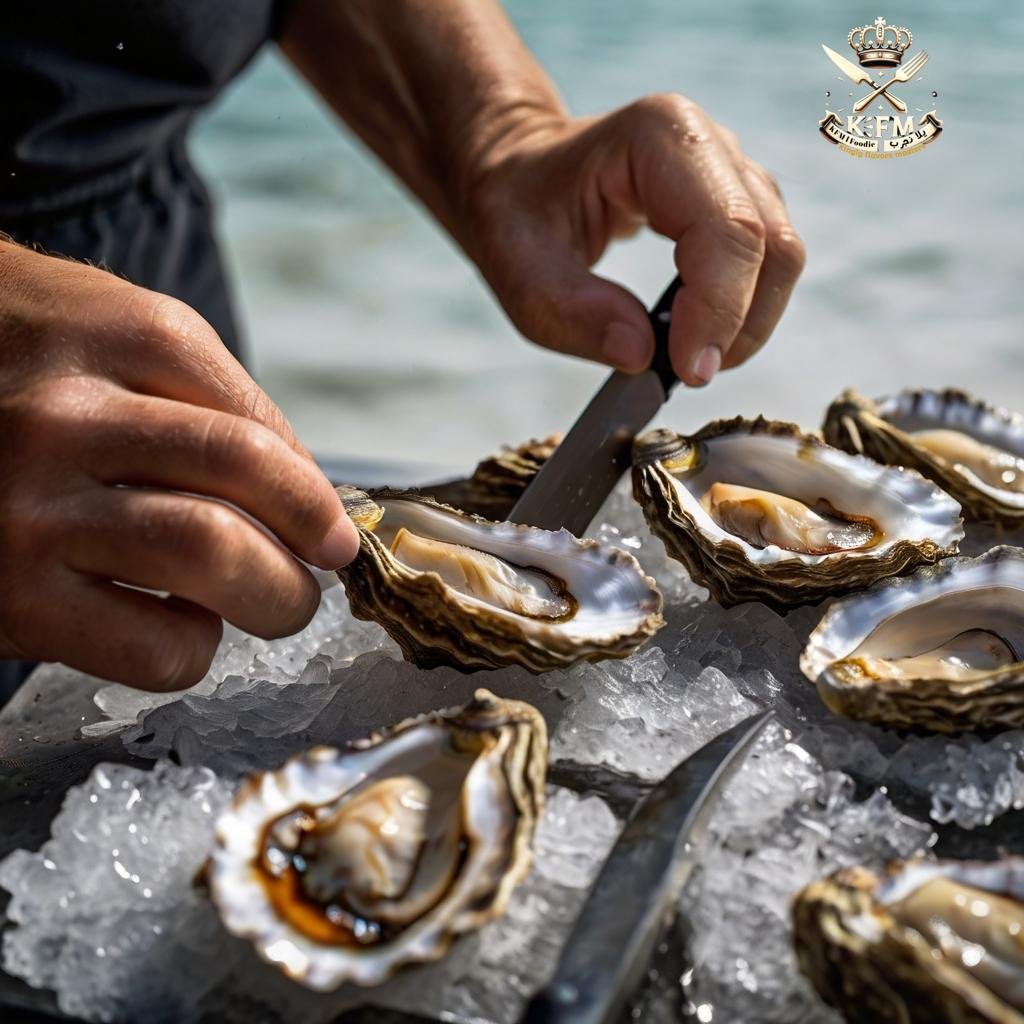
- Proper Storage:
- Place the oysters in a closed container or in the refrigerator to maintain their freshness and moisture.
- Opening Before Use:
- Before cooking the oysters, open the shell and rinse it with cold water to remove dirt and sand.
- Taste Test:
- Avoid using oysters that do not open after cooking, as they may be unsafe for consumption.
- Quick Cooking:
- Cook the oysters quickly for a short time to preserve their freshness and natural flavor.
- Freezing (Optional):
- If you wish to store oysters in the freezer for a longer period, freeze them after cooking to preserve their flavor.
By following these steps, you will be able to keep oysters fresh and delicious for the longest possible time, giving you a delightful and healthy seafood experience.
Health Benefits
- Protein: Oysters are a rich source of proteins essential for building and repairing tissues, contributing to muscle strength and boosting the immune system.
- Vitamin B12: Oysters are among the richest sources of Vitamin B12, which plays a vital role in nervous system health and contributes to the production of red blood cells.
- Vitamin C: It helps boost the immune system and protect cells from damage caused by free radicals, as well as contributing to skin health.
- Zinc: Oysters are one of the best sources of zinc, which strengthens the immune system, supports cell growth, and aids wound healing.
- Iron: Iron helps increase hemoglobin levels in the blood, enhancing the body's ability to transport oxygen to tissues and organs.
- Omega-3 Fatty Acids: Oysters contain good amounts of Omega-3 fatty acids, which support heart health and reduce inflammation.
Additional Benefits
In addition to vitamins and minerals, oysters offer several unique benefits:
Improved Sexual Health:
Due to their high zinc content, oysters help boost male fertility and support hormonal balance.
Support for Thyroid Health:
Oysters contain iodine, an essential element for the production of thyroid hormones, which helps improve metabolism and energy levels.
These components make oysters a nutrient-rich food that enhances overall health.
Frequently Asked Questions:
Can oysters be eaten raw?
Yes, but it’s important to ensure they come from a clean, reliable source to avoid bacterial infections. Cooking is recommended for safety.
Are oysters safe for pregnant women?
Raw oysters are not recommended during pregnancy, as they may contain bacteria or viruses harmful to the mother and fetus. Proper cooking is essential, and it's best to consult a doctor.
How often can oysters be consumed per week?
It’s advised to eat oysters only once or twice a week, as they may contain heavy metals.
Can oysters cause allergies?
Yes, some people have severe allergic reactions to oysters and should avoid them entirely.
Can raw oysters be stored in the freezer?
No, it’s better to cook them first and then freeze to maintain quality and flavor.
Do oysters raise cholesterol?
They contain natural cholesterol, but usually don’t increase bad cholesterol levels when eaten in moderation.
How can I tell if oysters are spoiled?
A bad odor or a shell that remains closed after cooking are signs the oyster is spoiled.
How can I tell if oysters are fresh?
To ensure oyster quality when buying, consider the following:
Smell: They should have a fresh sea-like scent, not a foul odor.
Appearance: The shell should be tightly closed. If it’s open and doesn’t close when tapped, it’s dead and should be avoided.
Weight: Fresh oysters are relatively heavy because they contain natural seawater inside.
Is there a difference between types of oysters?
Edible Oysters: These are used in cooking and are known for their high nutritional value and delicious taste.
Pearl Oysters: These are not edible and are known for producing pearls inside their shells. They are rarer and more expensive.
Is there a difference between oysters and mussels?
Yes, oysters usually have rounder, thicker shells, while mussels are longer, thinner, and have a different taste and nutritional profile.
Are there warnings for certain health conditions?
People with weakened immune systems: Such as cancer patients or those taking immunosuppressive medications. They are more susceptible to infections from raw oysters.
What about food poisoning from oysters?
Eating raw or undercooked oysters can cause food poisoning from bacteria like Vibrio or Norovirus, leading to symptoms like diarrhea, vomiting, and fever. It’s always recommended to cook oysters thoroughly to ensure safety.
Oyster Recipes:
- Creamy Oyster Soup
- Short Description: Creamy oyster soup is a warm and delicious dish with a rich taste and distinct flavor. It is perfect as an appetizer for dinner or lunch.
- Ingredients: Oysters, cooking cream, chicken broth, garlic, onion, butter, salt, black pepper.
- Benefits and Vitamins:
- Protein helps in tissue building and muscle strengthening.
- Vitamin B12 supports the nervous system and enhances blood health.
- Zinc boosts immunity and aids in wound healing.
- Vitamin C improves skin health and strengthens immunity.
- Garlic and Butter Grilled Oysters
- Short Description: Garlic and butter grilled oysters are a simple and quick dish that provides a rich flavor for seafood lovers.
- Ingredients: Oysters, butter, chopped garlic, lemon juice, salt, black pepper.
- Benefits and Vitamins:
- Vitamin C helps boost immunity and protect cells.
- Iron enhances hemoglobin levels and helps transport oxygen.
- Omega-3 fatty acids support heart health and reduce inflammation.
- Lemon and Herb Oyster Salad
- Short Description: Lemon and herb oyster salad is a light and healthy meal that offers a refreshing taste and is rich in nutrients.
- Ingredients: Oysters, lemon, parsley, coriander, olive oil, salt, black pepper.
- Benefits and Vitamins:
- Vitamin C enhances skin health and immunity.
- Protein boosts tissue growth and cell regeneration.
- Zinc supports skin and immune system health.
- Spicy Oyster Sauce
- Short Description: Spicy oyster sauce is a hot seafood dish filled with distinct flavors, perfect for lovers of spicy food.
- Ingredients: Oysters, hot sauce, olive oil, garlic, lemon, coriander.
- Benefits and Vitamins:
- Vitamin B12 promotes blood and nervous system health.
- Omega-3 fatty acids improve heart health and reduce inflammation.
- Vitamin C boosts immunity and improves skin appearance.
All these recipes allow you to incorporate oysters into your meals in a delicious and healthy way, with multiple nutritional benefits.