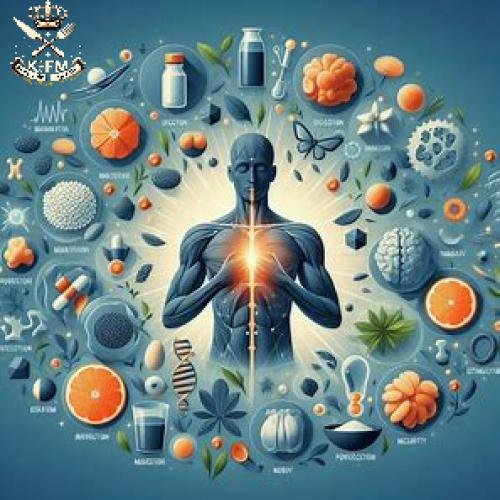
Knowing how to eat healthily is essential for the body to benefit from food effectively. Scientists in the field of health and nutrition emphasize the importance of following specific healthy guidelines to ensure full benefits from the foods we consume daily. These guidelines are based on a balanced variety of essential nutrients the body needs, such as proteins for building and growth, carbohydrates and sugars for energy and heat, healthy fats for nutritional support, as well as essential vitamins and minerals for prevention.

Diversity in food plays a vital role in meeting the body’s various needs. By consuming a variety of foods, individuals can ensure they receive all the necessary nutrients in appropriate amounts, which enhances overall health and reduces the risk of disease.
Benefits of Dietary Diversity:
- Provides the body with all the essential vitamins and minerals.
- Enhances immune system health and reduces the risk of diseases.
- Contributes to improving digestion and better nutrient absorption.
Foods to Eat Daily
✔️ Proteins: Eggs, fish, chicken, legumes.
✔️ Whole Grains: Oats, whole wheat, brown rice.
✔️ Vegetables and Fruits: Spinach, broccoli, carrots, apples, bananas.
✔️ Healthy Fats: Olive oil, almonds, walnuts.
Avoid These Foods as They Are Harmful to Your Health:
❌ Carbonated drinks.
❌ Fast food and fried foods.
❌ Processed sweets containing refined sugars.
Common Nutrition Mistakes and How to Avoid Them
❌ Consuming large amounts of sugar: Leads to weight gain and increases the risk of diabetes.
✔️ Solution: Replace white sugar with honey or natural fruits.
❌ Excessive consumption of processed and fried foods: These contain high amounts of unhealthy fats and sodium.
✔️ Solution: Choose fresh foods and cook using healthy methods such as grilling or steaming.
❌ Skipping breakfast: Leads to a drop in energy levels and extreme hunger later.
✔️ Solution: Have a breakfast rich in protein and fiber to maintain satiety and energy.
Religions, including Islam, emphasize the importance of moderation in eating and drinking. Allah, the Almighty, directed us not to overindulge, saying: "Eat and drink, but do not waste" (Al-A'raf: 31). Our beloved Prophet Muhammad (PBUH) demonstrated in his noble life that he would eat when hungry and stop before feeling full, reflecting the healthy approach Muslims adopt when consuming food.
If a person exceeds the limits of moderation in eating, they may face serious health risks and increase the likelihood of chronic diseases. Therefore, it is essential to raise awareness about the importance of adhering to these healthy guidelines to maintain good health and promote a healthy lifestyle.
Unhealthy Eating Habits
❌ Eating too fast: Leads to not feeling full and weight gain.
✔️ Solution: Chew food well and take enough time while eating.
❌ Drinking soft drinks with meals: Hinders nutrient absorption and increases the risk of obesity.
✔️ Solution: Replace with water or natural juices.
❌ Having dinner too late: Can cause digestive issues and weight gain.
✔️ Solution: Eat dinner 2 to 3 hours before bedtime.

Examples of Balanced Meals
🍽 Breakfast:
Boiled egg + Whole wheat bread + A cup of milk + Fruits.
🍽 Lunch:
Brown rice + Grilled chicken breast + Green salad + 1 teaspoon of olive oil.
🍽 Dinner:
Greek yogurt + A handful of nuts + A slice of whole wheat toast.
Frequently Asked Questions
❓ What is the difference between healthy fats and harmful fats?
✔️ Healthy fats: Found in olive oil, nuts, and fatty fish; beneficial for heart health.
❌ Harmful fats: Found in hydrogenated oils, fried foods, and fast food; increase the risk of heart disease.
❓ Does the timing of food intake affect its absorption?
✔️ Yes, eating at regular times helps the body absorb nutrients better, while eating late at night may negatively impact digestion.
What is the correct way to combine nutrients in every meal?
- Proteins: Such as lean meats, poultry, fish, legumes.
- Healthy carbohydrates: Such as whole grains, brown rice, oats.
- Healthy fats: Such as olive oil, nuts, avocado.
- Fiber: Such as vegetables and fruits.
❓ How can you avoid overeating?
- Eat slowly to help the brain recognize the feeling of fullness.
- Use smaller plates to control portion sizes.
- Drink water before meals to reduce appetite.
What are the benefits of moderation in eating?
- Helps maintain a healthy weight.
- Reduces the risk of excess fat accumulation in the body.
- Improves digestion and prevents digestive disorders.