Rice is a staple food in many cuisines around the world.
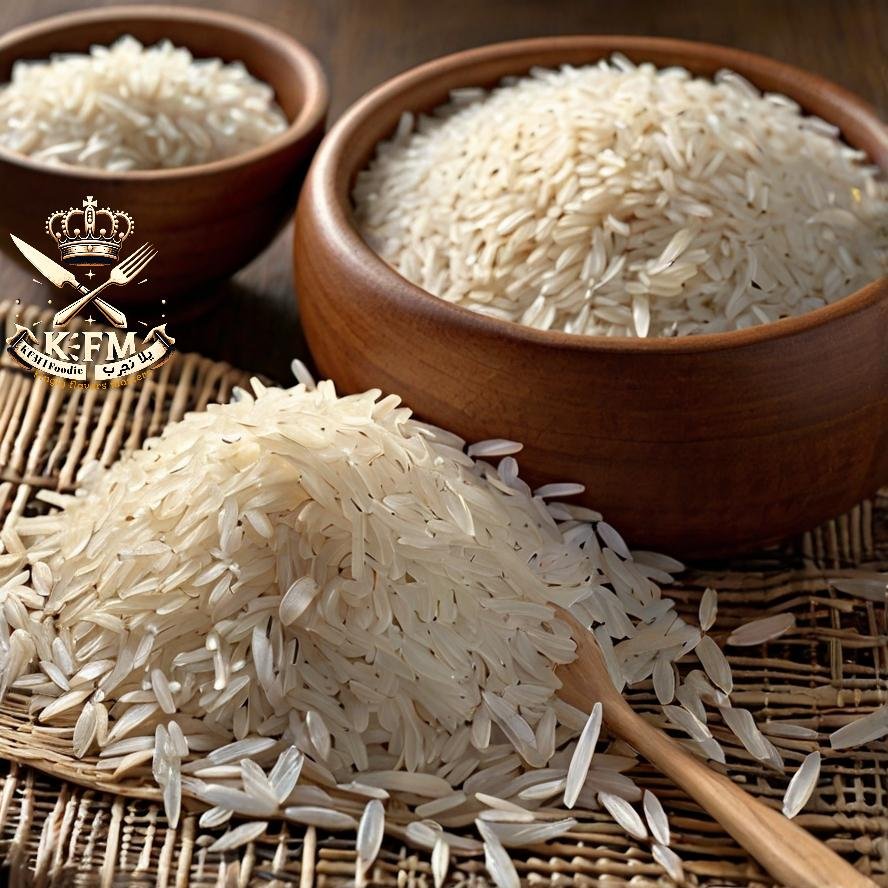
To preserve it for a long time, proper storage methods must be followed, such as keeping it in a dry, cool place away from moisture and light. Rice can be stored in airtight bags or tightly sealed plastic containers to maintain its quality. Additionally, storing it in the freezer can extend its shelf life.
Benefits of Rice
Rice is a rich source of carbohydrates, providing energy for the body. It is gentle on the stomach and aids digestion. However, despite its benefits, white rice can cause a rapid spike in blood sugar levels when consumed in large quantities, which may negatively affect health if overconsumed.
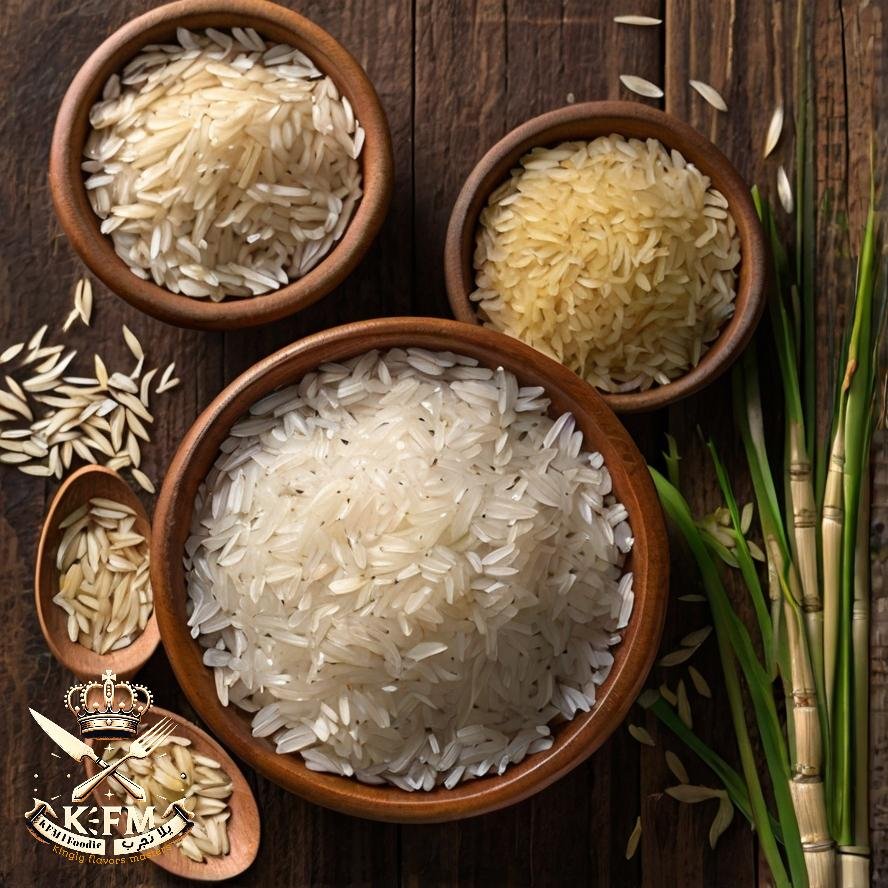
Long-Term Rice Storage Methods
-
Store in Airtight Containers:
- Use plastic or glass airtight containers to store rice. Ensure the containers are completely clean and dry before adding the rice.
-
Refrigeration:
- Large quantities of rice can be stored in airtight bags and placed in the refrigerator. Ensure the rice is completely cooled before refrigerating.
-
Avoid Exposure to Moisture:
- Do not store rice in humid areas, such as near sinks or other damp places in the home.
-
Use Coffee Beans:
- Placing a few coffee beans in rice containers can help absorb moisture and keep the rice dry.
-
Minimize Air Exposure:
- After using rice, ensure the container is tightly sealed to maintain the rice's freshness.
-
Temperature Control:
- It is recommended to store rice in a cool, dry place, such as a freezer or a designated dry storage cabinet, to help prevent the growth of weevils.
-
Regular Inspection:
- Regularly check the rice to ensure there are no signs of spoilage or weevils. If any signs are present, discard the rice immediately.
Conclusion: By following these guidelines, you can store rice for extended periods without it being affected by weevils or spoilage. Proper storage and maintaining the right conditions will ensure that your rice stays fresh and ready for use at any time.
Benefits of Rice:
-
Source of Energy:
- Complex Carbohydrates: Rice is a major source of complex carbohydrates that provide the body with the energy needed for daily activities.
- Sustained Energy: Unlike simple sugars, the complex carbohydrates in rice break down slowly, providing sustained energy for the body.
-
Rich in Fiber:
- Brown Rice: Particularly rich in fiber that aids digestion, promotes satiety, and helps regulate blood sugar levels.
- Digestive Health: Fiber acts like a "broom," cleansing the intestines and preventing constipation.
-
Contains Vitamins and Minerals:
- Thiamine, Niacin, and Magnesium: These vitamins and minerals play an important role in various bodily functions, such as converting food into energy and maintaining nervous system health.
- Iron: Iron-fortified rice helps prevent anemia.
-
Other Benefits:
- Heart Health: The fiber in rice helps lower harmful cholesterol levels and improve heart health.
- Cancer Prevention: Some studies suggest that certain types of rice may contain antioxidants that help prevent certain types of cancer.
- Skin Health: Rice contains vitamins and minerals that help maintain healthy, radiant skin.