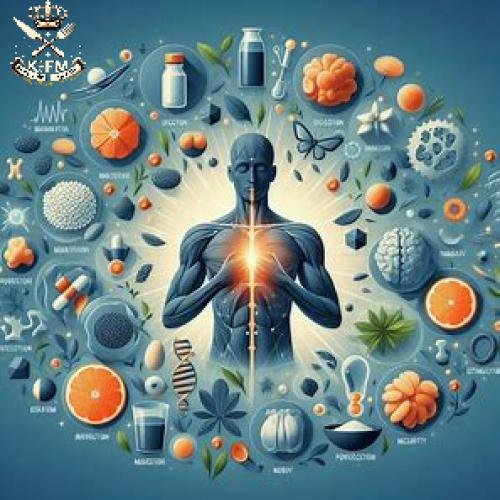
Proper nutrition plays a fundamental role in promoting body health and maintaining its vital functions. However, following unhealthy dietary habits can lead to long-term harm. By adhering to the best dietary advice, the body can reap numerous benefits, such as reducing the risk of chronic diseases, boosting immunity, and improving the quality of life. For instance, reducing saturated fats contributes to heart health, while diversifying food choices ensures the intake of all essential nutrients. On the other hand, excessive consumption of salt and sugar increases the likelihood of high blood pressure and obesity. By adopting these seven principles, balanced nutrition becomes an effective tool for achieving sustainable health.
The Seven Nutritional Principles for Adults Over 50
The U.S. Department of Agriculture and Health and Human Services offers a set of highly important dietary guidelines for people over the age of 50 to help them maintain their health and prevent diseases. These tips include various directives related to nutrition and a healthy lifestyle. Let’s take a detailed look at these principles:
Healthy Foods You Need to Maintain Your Health, Especially After the Age of 50:
Healthy Proteins: It is recommended to consume healthy protein sources such as fish (especially fatty fish like salmon and tuna) and lean poultry like chicken and turkey. Plant-based proteins from legumes (beans, lentils, chickpeas) and nuts (almonds, walnuts, pistachios) are also excellent choices, as they are rich in fiber and beneficial fatty acids.
Healthy Fats: Healthy fats are those found in plant oils like olive oil and avocado, as well as nuts. These fats help promote heart health and regulate cholesterol levels.
Vegetables and Fruits: Eating fresh vegetables and fruits provides essential vitamins and minerals like vitamin C and iron. They are also rich in fiber, which aids in improving digestion.
Whole Grains: It is advisable to consume whole grains like oats, brown rice, and whole wheat as they contain fiber and vitamins that help maintain energy levels and improve digestive health.
It is important to maintain balance between meals throughout the day:
- Breakfast: Breakfast should contain a mix of healthy proteins and complex carbohydrates, such as boiled eggs with a slice of whole-grain bread or oatmeal.
- Lunch: Lunch should be rich in protein (such as poultry or fish) and vegetables, with healthy carbohydrates like brown rice or sweet potatoes.
- Dinner: Dinner should be light, with plant-based proteins or fish, and small amounts of carbohydrates, such as a vegetable salad with chickpeas or lentils.
Snacks: Fruits or nuts can be consumed as snacks between main meals to maintain energy levels.
The Relationship Between Nutrition and Mental Health:
There is a close connection between proper nutrition and mental health, especially after the age of 50, as mood and memory are affected by nutritional changes.
- Foods to Improve Memory and Mood: Consuming foods rich in omega-3s, such as fatty fish (salmon, sardines) and nuts (walnuts), can improve memory and enhance cognitive performance. Eating foods containing vitamin B12, such as meats and fish, can improve mood and reduce feelings of fatigue.
- Nutrition and Brain Health: Certain foods like berries, citrus fruits, and leafy greens (such as spinach) contain antioxidants that protect brain cells and enhance mental functions.
Physical Activity:
Physical activity is a key factor in improving overall health after the age of 50. It not only helps maintain a healthy weight but also strengthens muscles and bones and improves heart health.
- Types of Physical Activity: It is recommended to exercise for at least 30 minutes a day. Activities like walking, strength training, or even yoga can help enhance body flexibility and strengthen muscles.
- Aerobic Exercises: Activities such as brisk walking, swimming, or cycling help improve circulation and promote heart health.
First Principle: Reducing the Intake of Saturated Fats
Experts recommend minimizing the consumption of saturated fats, especially those derived from animal sources such as meat. These fats are closely associated with increased levels of harmful cholesterol (L.D.L) in the blood.
Second Principle: Diversifying Foods
It is crucial to maintain a diverse diet that includes various sources of proteins, carbohydrates, plant-based fats, vitamins, and minerals. Moderation in portion sizes should be observed to ensure balanced nutrition.

Third Principle: Limiting Salt Intake
Moderation in salt usage is advised, with a recommended maximum of 3 mg of salt daily to maintain cardiovascular health.
Fourth Principle: Monitoring Weight
Regular weight monitoring is essential to prevent obesity-related issues that could negatively affect overall health.
Fifth Principle: Reducing Sugar and Starch Consumption
It is recommended to reduce the intake of sweets, sugary beverages, and foods made with white flour to maintain healthy blood sugar levels.
Sixth Principle: Abstaining from Smoking, Alcohol, and Drugs
Quitting smoking and avoiding alcohol and drugs significantly contribute to maintaining overall health.

Seventh Principle: Increasing Fruit and Vegetable Consumption
It is recommended to consume sufficient amounts of fresh fruits and vegetables daily, drink plenty of water, exercise regularly, and ensure adequate sleep.
Frequently Asked Questions:
- What foods should be completely avoided after the age of 50? It is recommended to avoid fried foods, processed meats such as sausages and smoked meats, sugary drinks, and foods containing added sugar or preservatives.
- How can I control my weight after the age of 50? To monitor your weight, it is advised to:
- Exercise regularly (such as walking or strength training).
- Eat at regular times and avoid eating after 8 PM.
- Reduce consumption of foods rich in sugar and fats.
- Are there any foods that help improve memory? Yes, foods rich in omega-3s, such as fatty fish (salmon, tuna) and nuts (walnuts), can help improve memory and brain health.
- What are the health benefits of eating more fruits and vegetables after the age of 50? Eating more fruits and vegetables boosts the immune system, helps improve digestion, and reduces the risk of chronic diseases such as heart disease and diabetes. They are also rich in fiber and vitamins that support overall health.
In summary, these seven principles are vital steps for maintaining the health of individuals over the age of 50, helping them avoid many physical and psychological health issues. May God grant us and you well-being and safety.