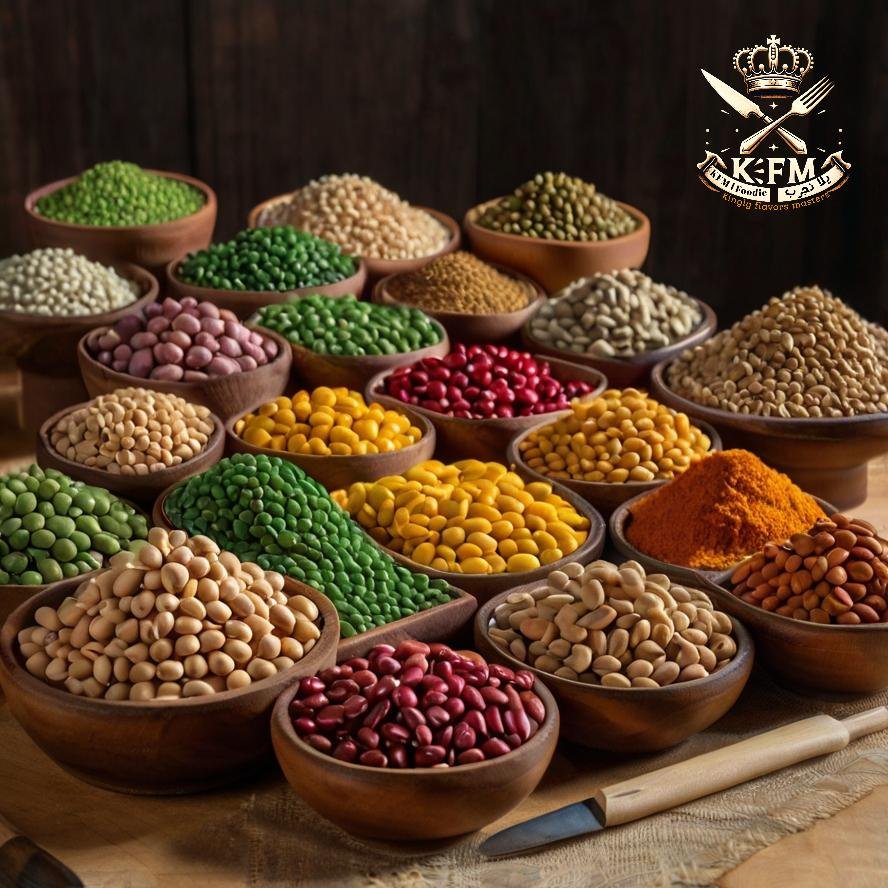
Legumes are among the most essential food ingredients found in every kitchen. They are a primary source of protein, fiber, and numerous important nutrients. Legumes include various types such as black-eyed peas, white and red beans, dried chickpeas, bulgur, and dried peas, and they are used in preparing many daily dishes. Despite their significant benefits, legumes can spoil if not stored properly. Therefore, it is crucial to follow some tips for storing them correctly to maintain their quality and flavor.
The Importance of Properly Storing Legumes
Legumes are prone to attracting pests like weevils, which can damage them and compromise their quality. Therefore, following proper storage methods can help preserve the safety of legumes and extend their shelf life. It is essential to understand that the way you store legumes significantly affects their quality and taste when cooked.
Tips for Properly Storing Legumes
-
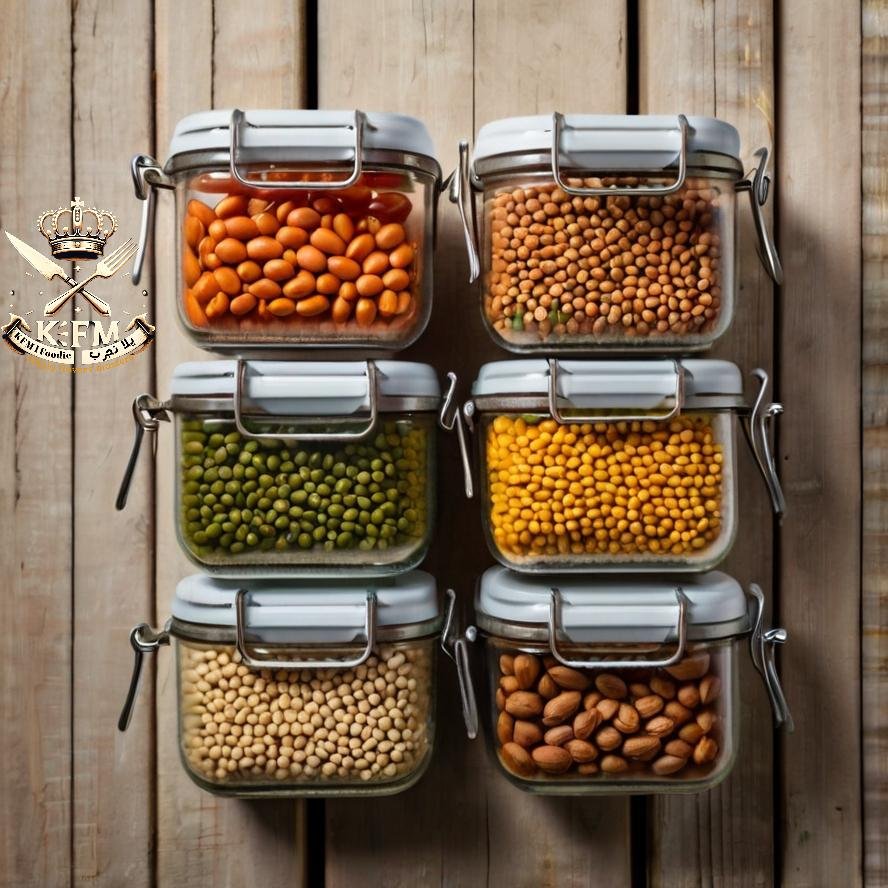
Use Airtight Glass Containers:
Airtight glass containers are among the best options for storing legumes. These containers protect legumes from contamination and moisture, helping prevent spoilage. Ensure the containers are clean and completely dry before placing legumes in them. -
Ensure Containers Are Clean and Dry:
Before storing legumes, make sure the containers are clean and free of any water or other liquids. Moisture is the main enemy of legumes as it can lead to mold growth and spoilage. Thoroughly dry the containers before filling them with legumes.
-
Avoid Mixing Old and New Grains:
Even if you are using the same type of legumes, it is better not to mix old grains with new ones. Old grains may contain pests or weevils that can affect the new grains, accelerating spoilage. -
To Repel Insects:
- Adding Black Pepper: Add a few black peppercorns to the legumes to protect them from insects. The scent of black pepper is an effective natural repellent for many pests, such as weevils, helping to keep legumes fresh and insect-free.
- Bay Leaves: Bay leaves contain volatile oils that repel insects and help preserve the flavor of legumes.
- Cloves: Cloves have a strong aroma that works to repel insects and maintain the quality of the legumes.
- Table Salt: Salt absorbs moisture and prevents the growth of bacteria and fungi.
- Store Legumes in Freezer Bags for Long-Term Storage:
If you plan to store legumes for more than six months, it is preferable to place them in suitable freezer bags with a pinch of salt. Ensure the bags are sealed tightly to protect the legumes from moisture and spoilage. This will help maintain their quality and prevent any potential deterioration.
Health Benefits of Legumes:
- Excellent Source of Protein: Legumes are rich in plant-based protein, making them an excellent alternative to meat and poultry.
- Dietary Fiber: Legumes contain a high amount of dietary fiber that helps improve digestion and regulate blood sugar levels.
- Vitamins and Minerals: They provide the body with essential vitamins and minerals such as iron, zinc, and magnesium.
- Antioxidants: Contain antioxidants that protect cells from damage and reduce the risk of chronic diseases.
- Lower Cholesterol: Help reduce levels of bad cholesterol in the blood, lowering the risk of heart disease.
- Digestive Health: The fiber in legumes supports digestion and regulates bowel movements.
- Heart Health: Aid in lowering bad cholesterol levels and reducing the risk of heart disease.
- Weight Management: Promote feelings of fullness for longer periods, reducing food cravings.
- Bone Health: Contain vital minerals like calcium and magnesium essential for bone health.
- Cancer Prevention: Include antioxidants that protect the body from cellular damage and reduce the risk of cancer.
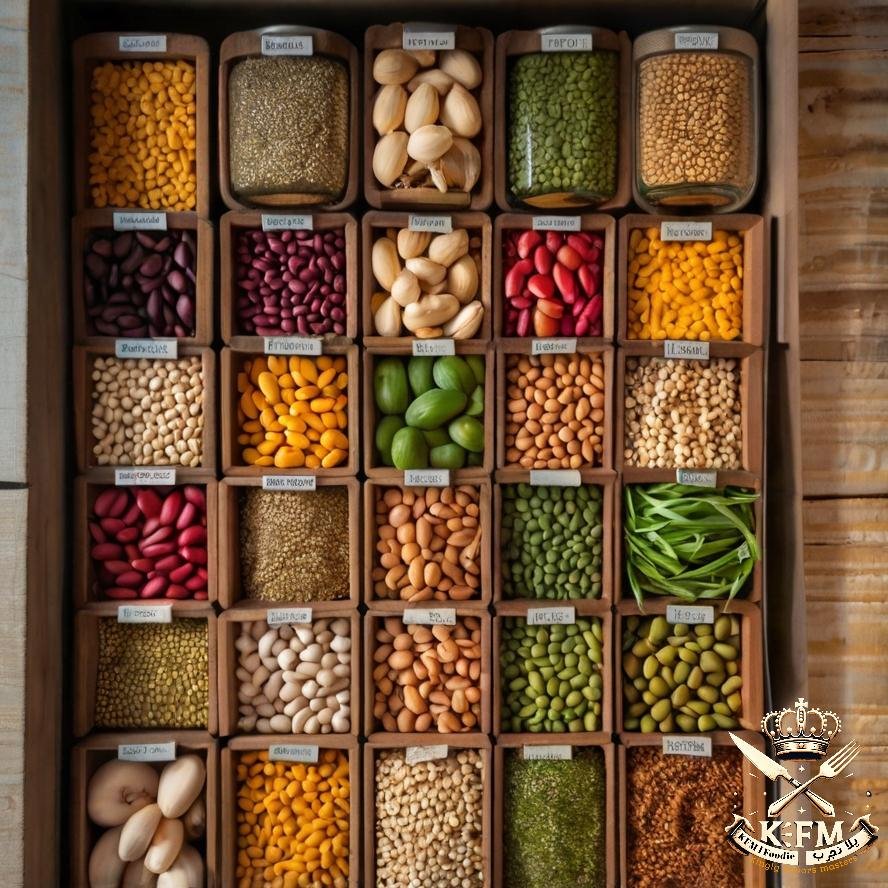
Additional Tips for Storing Legumes
- Check the Production Date: When purchasing legumes, make sure to check the production date and expiration date to ensure you're getting the best quality.
- Store Legumes in a Dry, Cool Place: Be sure to store containers in a dry, cool place away from direct sunlight. Excessive heat can speed up the spoilage process.
- Regularly Inspect Legumes: Periodically check legumes to ensure there are no signs of spoilage or pests. Discard any contaminated legumes to protect the rest of the stored batch.
By following these tips, you can keep your legumes fresh and free from spoilage for a long time, preserving their quality and ensuring they taste great when used in various recipes.