

Obesity: Between Misconception and Scientific Reality
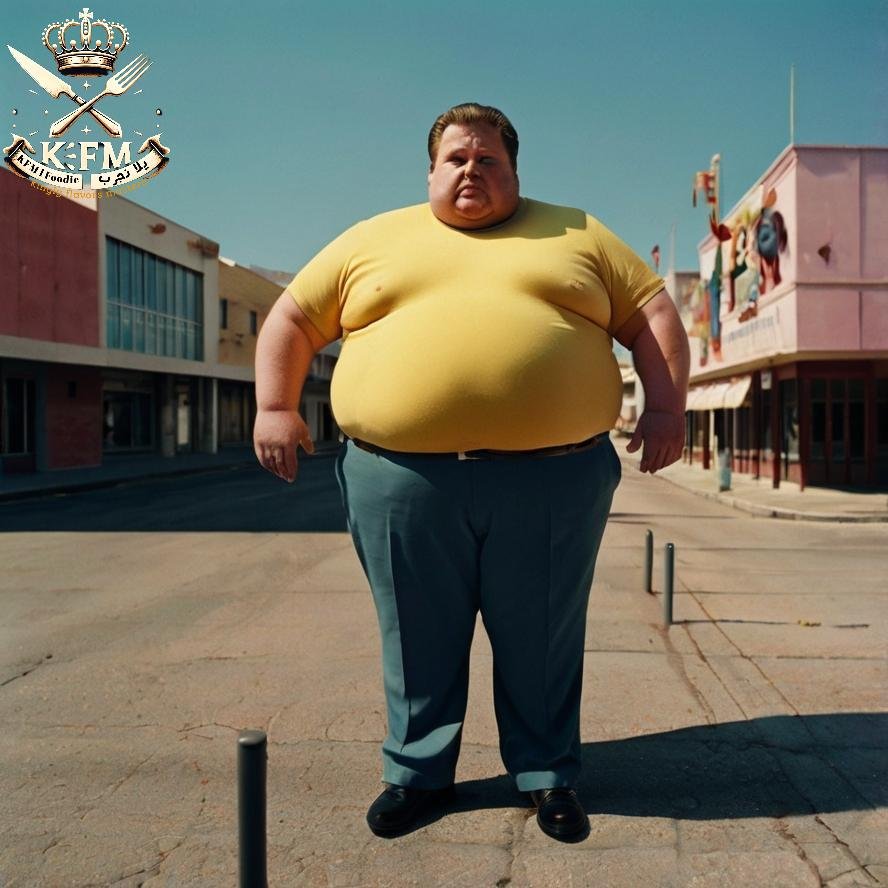
Obesity is not just an increase in weight; it is a medical condition characterized by the accumulation of excess fat in the body. This condition is not necessarily a sign of good health, in fact, it is associated with many serious health issues such as heart disease, diabetes, high blood pressure, and respiratory disorders. Therefore, it is essential to correct this misconception and raise awareness that obesity is not an indicator of well-being.
Causes and Symptoms of Obesity
Psychological Factors: Obesity is not only related to eating habits and lack of physical activity, but psychological factors also play a significant role. People who suffer from depression and anxiety often turn to food as a coping mechanism for negative emotions, which leads to weight gain. Additionally, low self-esteem may drive some individuals to overeat as a form of reward or self-punishment.
Social Factors: Social and cultural environments have a major impact on eating habits. The widespread availability of processed foods and fast food, combined with reliance on transportation rather than walking, contributes to weight gain. Furthermore, social and work pressures can lead to neglecting health and proper nutrition.
Medications: Some medications, such as certain types of antidepressants, diabetes drugs, and corticosteroids, may cause weight gain as a side effect. Therefore, individuals taking these medications should consult with their doctor to discuss any potential side effects.
Ways to Treat Obesity: Diet and Physical Activity
To overcome obesity, a comprehensive approach that combines a balanced diet and regular physical activity must be followed. Below are two main strategies for addressing obesity:
- Controlling the Diet:
- Intake of high-calorie foods such as starches, sugars, and fats should be reduced. These foods contribute to fat accumulation in the body, leading to weight gain. Instead, it is recommended to consume foods rich in fiber, such as vegetables and fruits, which help to promote satiety and reduce calorie intake.
Physical Activity:
- Physical activity is an essential part of an obesity treatment plan. This includes regular exercise such as walking, running, swimming, or any activity that burns calories and improves physical fitness. Physical activity is not limited to structured exercises; it also includes daily movement such as household chores or climbing stairs.
Note:
In cases of severe obesity, it is essential to consult a specialist doctor before starting any diet or exercise program. The doctor may recommend additional medical tests to determine if there are any health issues related to obesity, such as diabetes or heart disorders. The doctor may also provide advice on suitable diets or medications that can help with weight management.
Family and society play an important role in supporting individuals who are suffering from obesity. By encouraging family members to engage in physical activity together or providing a healthy eating environment at home, the risks associated with obesity can be reduced. Community awareness about the harms of obesity and the need to adopt a healthy lifestyle can motivate individuals to take positive steps toward improving their health.
General Tips for Maintaining a Healthy Weight
- Balanced Nutrition: Ensure that you eat balanced meals containing all the essential nutrients.
- Drink Water: Drinking sufficient water helps improve digestion and maintain overall health.
- Portion Control: Be mindful of portion sizes and avoid overeating.
- Mental Well-being: Avoid stress, as it can significantly affect eating patterns and contribute to weight gain.
- Adequate Sleep: Sufficient sleep is crucial for maintaining a healthy weight. Sleep deprivation disrupts hunger and satiety hormones, increasing cravings for high-calorie foods. Ensure that you get enough sleep each night to improve your general health and weight
The Dangers of Obesity
Cancer Diseases
- Breast Cancer: Obese women, or those who have been obese in the past, are at a higher risk of developing breast cancer compared to women with a healthy weight.
- Colon and Rectal Cancer: Fat accumulation in the abdomen increases the risk of these two types of cancer.
- Esophageal Cancer: Obesity is linked to a higher risk of esophageal cancer, particularly the type associated with gastroesophageal reflux disease (GERD).
Joint Problems
- Arthritis: Osteoarthritis is one of the most common problems among obese individuals, especially in the hip, knee, and shoulder joints.
- Cartilage Damage: Excess weight increases friction between the joints and accelerates cartilage wear, causing pain and stiffness.
Memory Decline
- Dementia: Obesity increases the risk of dementia, including Alzheimer’s disease.
- Cognitive Decline: Excess weight affects brain functions and reduces the ability to concentrate and learn.
- Hormonal Imbalance: Obesity affects many hormones, including sex hormones and cortisol, contributing to the development of chronic diseases.
- Insulin Resistance: The accumulation of fat in the body leads to insulin resistance, increasing the risk of type 2 diabetes.
- Respiratory System: Obesity can lead to breathing problems such as snoring and sleep apnea, as excess weight puts additional pressure on the chest and airways.
- Pregnancy Issues: Obesity can cause pregnancy complications such as gestational diabetes, high blood pressure, and an increased likelihood of cesarean delivery.
Frequently Asked Questions:
Can obesity be beneficial for some people?
Although there is a common belief that obesity may protect against some diseases, such as osteoporosis, scientific studies indicate that obesity leads to many other health problems. Obesity cannot be considered beneficial, as it increases the risk of heart disease, diabetes, cancer, and other diseases.
What foods can help in weight loss?
Some foods that help in weight loss include:
- Lean proteins: such as grilled chicken, fish, and eggs.
- Whole grains: such as oats, brown rice, and quinoa.
- Fruits and vegetables: help in feeling full for longer periods and are low in calories.
Can medications help in treating obesity?
There are medications used to treat obesity, but they should only be used under medical supervision. Among the medications a doctor may prescribe are those that reduce fat absorption or those that control appetite. However, they should not be relied upon solely; they should be combined with a balanced diet and regular exercise.
What are the best exercises for burning fat?
Cardio exercises, such as brisk walking, running, and cycling, are among the best exercises for burning fat. Strength exercises, such as weightlifting, help build muscles and increase the metabolism rate. High-Intensity Interval Training (HIIT) is also very effective in burning fat in a short time.
Conclusion: It is crucial to understand that obesity is not a sign of health but a health problem that requires attention and care. With proper awareness and by adopting a healthy lifestyle, we can avoid the complications of obesity and enjoy a balanced and healthy life. We pray for good health for all of us. Peace and blessings be upon you.
Disclaimer: This Article is ideal for those seeking to improve their general health and maintain a balanced diet. However, it may not be suitable for individuals with allergies to certain ingredients or those following a specific diet for health reasons.


