
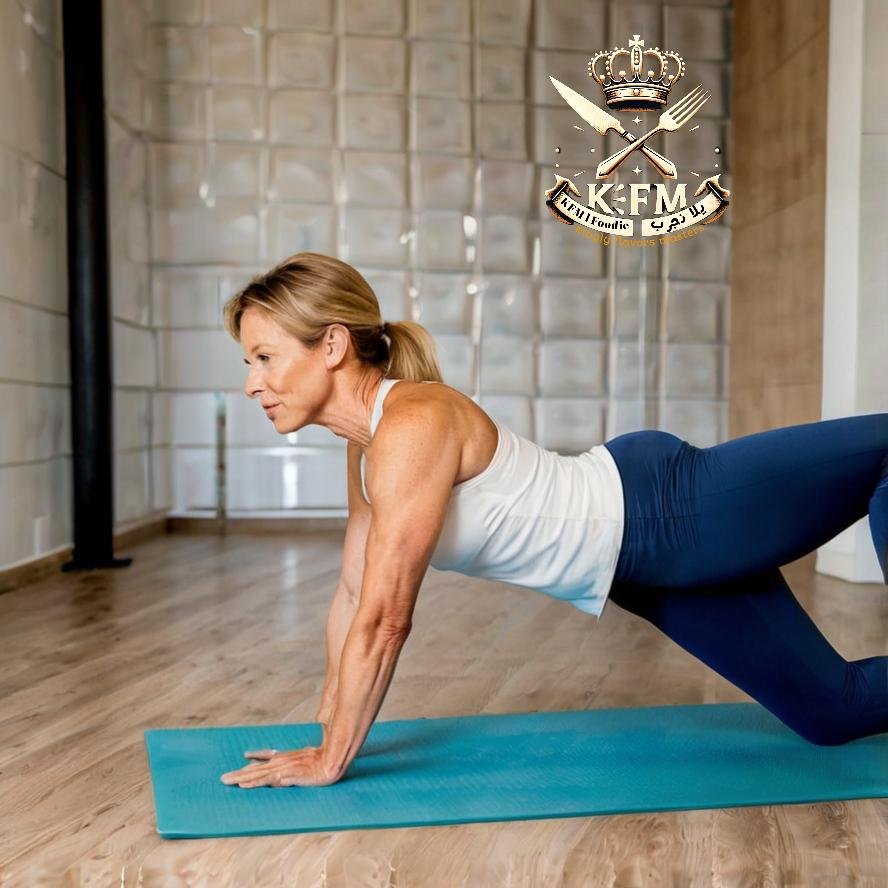
Pelvic floor muscle strengthening exercises, such as Kegel exercises, bridges, and scissors leg lifts, enhance the health of the urinary and reproductive systems, help improve balance, and prevent urinary incontinence issues. These exercises contribute to strengthening the core muscles that support internal organs and relieve lower back pain. Despite their benefits, excessive or incorrect performance of these exercises may cause strain or muscle pulls. These exercises provide indirect benefits to the body, including improved blood circulation, which enhances the absorption of essential vitamins and minerals such as calcium and magnesium for muscle and bone health.
The Importance of Strengthening Pelvic Floor Muscles
Before we begin reviewing the exercises, let's first understand why pelvic floor muscles are important. These muscles are located in the lower abdomen and support pelvic organs such as the bladder, intestines, and uterus in women. If these muscles are weak, it can lead to health issues like urinary incontinence, lower back pain, and difficulty controlling the bowels.
Strengthening the pelvic floor muscles can significantly improve your quality of life. By performing targeted exercises, you will be able to enhance their strength, improve your ability to control the bladder and bowels, and reduce pain caused by muscle weakness.
Other important benefits of strengthening the pelvic floor muscles include:
- Prevention of pelvic organ prolapse: These muscles help support pelvic organs and prevent them from prolapsing, a condition that is common in women after childbirth or during menopause.
- Improvement of digestive functions: Strong pelvic floor muscles can contribute to better bowel movements and reduce constipation.
- Increased self-confidence: The sense of control over basic body functions enhances self-esteem and improves mental health.
Kegel Exercises
Exercise duration: 5-10 minutes
Repetitions: 3 times daily
Description: The Kegel exercise is one of the most well-known exercises used to strengthen pelvic floor muscles. To perform this exercise, start by lying on your back or sitting in a comfortable position. Try to tighten the muscles you use to stop the flow of urine. Hold the contraction for a few seconds, then relax. Repeat this movement 10-15 times, and aim to do the exercise three times a day for the best results.
Benefits: The Kegel exercise helps improve bladder control, reduce symptoms of urinary incontinence, and strengthen pelvic muscles. It also helps relieve lower back pain by supporting pelvic stability.
Bridge Exercise
Exercise Duration: 10 minutes
Repetitions: Twice daily
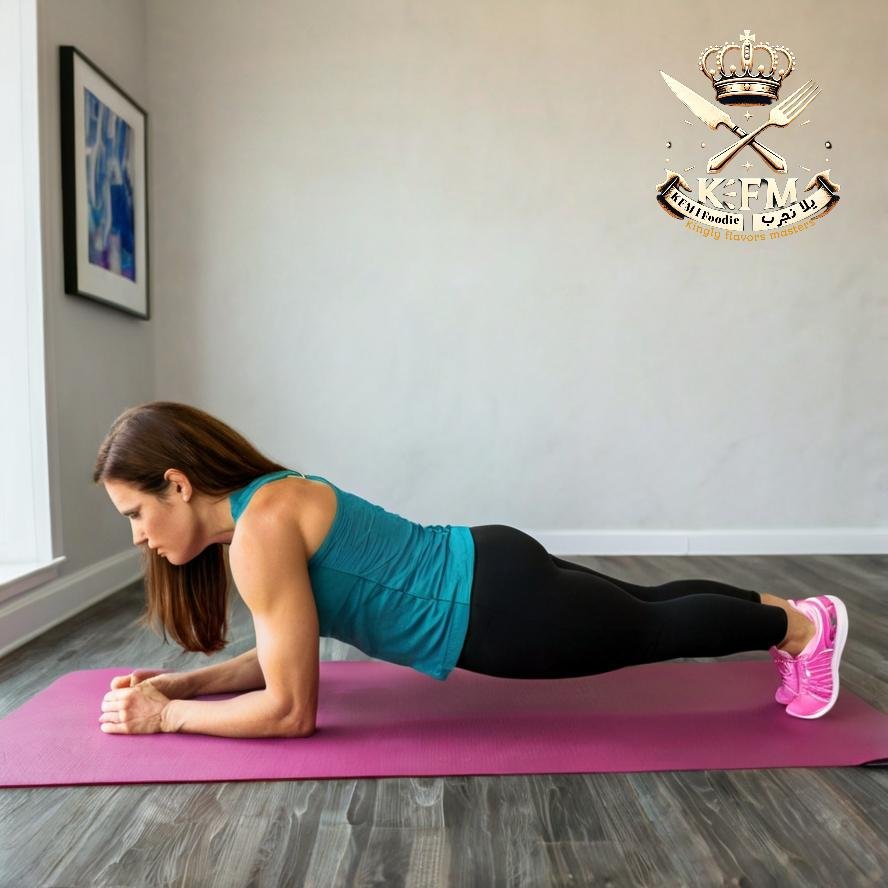
Description: Lie on your back with your knees bent and feet flat on the floor. Slowly lift your hips off the ground until your body forms a straight line from your knees to your shoulders. Hold the position for a few seconds, then slowly lower back to the starting position. Repeat this movement 10-12 times, ensuring you perform the exercise twice daily.
Benefits: The bridge exercise strengthens the pelvic floor muscles, works on strengthening the core muscles, and helps improve stability and balance. It also aids in reducing lower back pain and provides support to the pelvic muscles.
Scissor Legs Exercise
Exercise Duration: 10 minutes
Repetitions: Twice daily
Description: Lie on your back with your hands on the sides of your body. Lift your legs off the ground at a 45-degree angle. Slowly open your legs to the sides and then bring them back to the center, ensuring you maintain a stable position. Repeat this exercise 10-15 times, ensuring you perform the exercise twice daily.
Benefits: The scissor legs exercise strengthens the pelvic floor muscles and improves muscle flexibility. It also helps support pelvic stability and reduces the likelihood of lower back injury.
Variations to Suit Everyone:
-
Innovative Home Exercises: Pelvic floor exercises are not limited to traditional Kegel exercises. These can be incorporated into daily activities such as yoga, Pilates, or even while watching television.
-
Personalized Exercises: A healthcare provider or physical therapist can design a personalized exercise program for each individual based on their health condition and goals.
-
Exercises for Men: Men also suffer from weak pelvic floor muscles, but often hesitate to discuss this issue. There are various exercises specifically for men that can help improve urinary and reproductive health.
Causes of Weak Pelvic Floor Muscles:
-
Pregnancy and Childbirth: The effects of pregnancy and childbirth are not only limited to women but can also affect men who have undergone surgeries in the pelvic region.
-
Obesity: Increased weight places significant pressure on the pelvic floor muscles, weakening them.
-
Chronic Diseases: Certain diseases like diabetes and high blood pressure can affect the strength of the pelvic floor muscles.
Additional Tips to Improve Results
-
Consistency is Key: Ensure you practice the exercises regularly for the best results. Daily exercise is essential for strengthening the pelvic floor muscles.
-
Proper Breathing: While performing the exercises, remember to breathe regularly and deeply. Proper breathing helps maximize the benefits of the exercises.
-
Consult a Doctor: If you have any specific health issues or experience unusual pain during the exercises, consult your doctor before continuing the exercises.
By incorporating these exercises into your daily routine, you can effectively strengthen your pelvic floor muscles and alleviate issues such as lower back pain and urinary incontinence. Don't forget that consistency and repetition are the keys to success, so make these exercises a part of your lifestyle to enhance your overall health and physical stability.


